


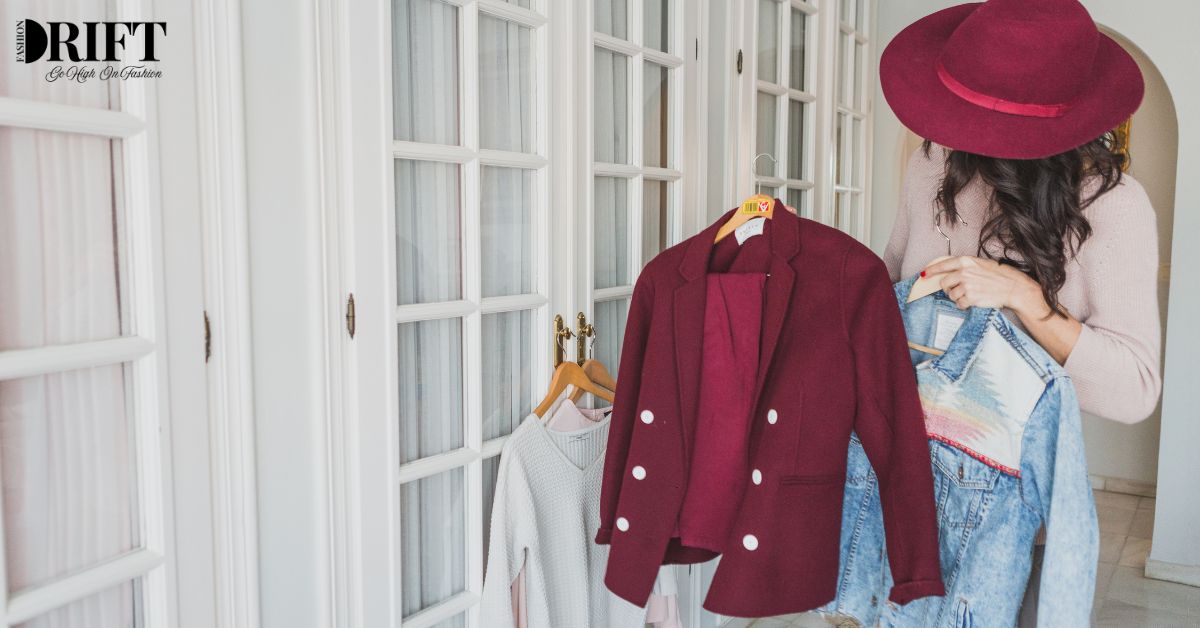
In 2025, Gen Z fashion isn’t just about looking good—it’s about making a statement. This digitally native, socially aware generation continues to redefine the rules of style by prioritizing sustainability, individuality, inclusivity, and technology in their clothing choices. If you’re in the fashion industry, a marketer, a brand owner, or simply someone intrigued by the next wave of fashion trends, now is the time to pay attention. Gen Z’s influence isn’t just a trend—it’s a full-blown cultural shift that’s rewriting how the world dresses and what we value in fashion.
1. The Era of Conscious Fashion: Why Gen Z Demands More Than Just Looks
Today’s Gen Z consumers are not just fashion followers; they’re fashion activists. This generation cares deeply about where their clothes come from, how they are made, and who makes them. In 2025, fashion brands are under more scrutiny than ever, with transparency, ethical sourcing, and environmental impact being top considerations. Terms like “slow fashion,” “carbon neutral,” and “cruelty-free” are now part of the Gen Z vocabulary when shopping for clothes.
They are steering away from fast fashion brands that promote mass production, overconsumption, and low wages. Instead, they are gravitating toward brands that offer recycled materials, second-hand collections, biodegradable packaging, and supply chain transparency. For example, eco-conscious clothing made from organic cotton, hemp, bamboo, and upcycled fabrics has become a major draw.
2. Individualism Over Influencers: The Rise of Personal Style
While millennials often sought validation through social media influencers, Gen Z favors personal expression over popularity. They are creating their own looks based on mood, identity, and self-discovery. Thanks to platforms like TikTok, Instagram, and Pinterest, they’re exposed to global fashion perspectives and aren’t afraid to mix, match, and experiment.
In 2025, Gen Z wardrobes are characterized by a blend of vintage pieces, thrifted items, statement accessories, DIY customizations, and gender-fluid designs. The rule is: there are no rules. Their outfits are visual diaries of how they feel or want to feel—bold, confident, soft, edgy, or even rebellious.
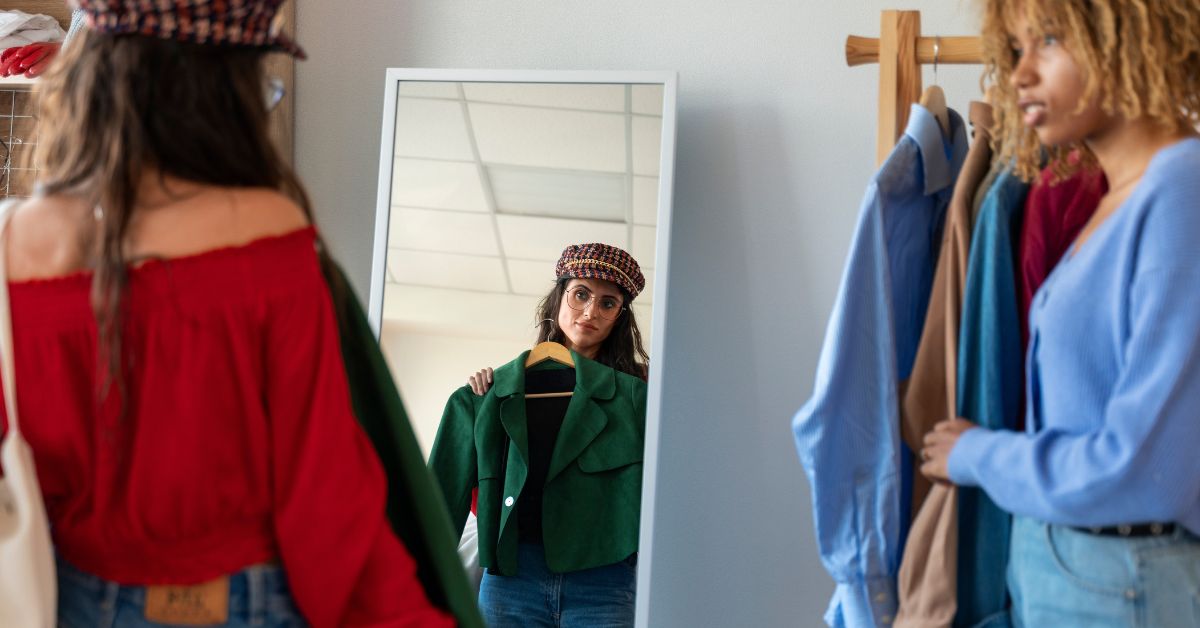 This strong preference for individualism is also encouraging small fashion creators and indie designers to thrive. Micro-influencers, virtual stylists, and TikTok trendsetters have become more relatable and trusted than major celebrities.
3. Gender Fluid Fashion: The Mainstream Acceptance of Non-Binary Clothing
Gender norms in fashion are becoming outdated, thanks to Gen Z’s progressive outlook. They are breaking away from binary categories and embracing clothing that reflects personal identity rather than societal expectations.
Retailers and brands are now releasing unisex collections, genderless streetwear, and neutral-toned basics designed for everyone. Terms like “menswear” and “womenswear” are being replaced by labels such as “for humans,” “fluid fit,” or “fit by mood.”
In 2025, skirts, crop tops, painted nails, pearls, and pastel tones aren’t reserved for women only. Similarly, boxy shirts, combat boots, utility wear, and oversized hoodies aren’t restricted to men. Fashion is finally catching up to the idea that self-expression shouldn’t be confined to gender stereotypes.
4. Tech and Fashion: Smart Clothing and Digital Design Take Center Stage
Another area where Gen Z is changing the fashion game is through the use of technology in clothing. From wearable tech to augmented reality shopping experiences, the integration of innovation with apparel is now mainstream.
Smart clothing like temperature-regulating jackets, posture-correcting shirts, Bluetooth-connected shoes, and even solar-powered backpacks are becoming part of Gen Z’s functional wardrobe.
Additionally, digital fashion is rising. With the metaverse and virtual identities gaining traction, people are purchasing clothes for their avatars or creating digital outfits to show off on social media. NFT fashion, digital runways, and 3D clothing design tools allow Gen Z to express style in both the real and virtual world.
5. Thrift, Reuse, and Upcycle: The Coolness of Secondhand Fashion
Gone are the days when thrift shopping was seen as “cheap.” In 2025, thrifting is a badge of honor among Gen Z. Not only is it eco-friendly, but it also allows them to curate a one-of-a-kind wardrobe.
Online secondhand platforms like Depop, Poshmark, Vinted, and ThredUp have exploded in popularity. Even traditional retailers are launching pre-owned sections. Fashion brands that promote buy-back programs, rental services, and upcycled capsule collections are scoring major points with this demographic.
Upcycling has become an art. Gen Z often repurposes old jeans into bags, adds patches to jackets, or dyes faded clothes for a fresh look. These DIY projects, widely shared on TikTok and YouTube, allow them to personalize fashion while embracing sustainability.
6. The Revival of Y2K, Grunge, and Retro Streetwear
Fashion is cyclical, and Gen Z is proving it by reviving styles from the past—especially the early 2000s, ’90s grunge, and vintage streetwear. These styles aren’t being copied outright but are being reinterpreted through a modern lens.
The Y2K trend includes low-rise jeans, mini skirts, butterfly clips, baby tees, and metallic fabrics. Gen Z loves mixing this aesthetic with modern accessories and sneaker culture.
Grunge, inspired by bands like Nirvana and Pearl Jam, has returned in the form of ripped denim, oversized flannels, combat boots, and band tees. Combined with skincare routines and expressive makeup, it creates a unique contrast of rugged and refined.
Retro streetwear remains strong, with logos from brands like Nike, Adidas, and Champion getting a new wave of popularity. Paired with techwear elements, the result is a style hybrid that blends comfort, function, and nostalgia.
7. Inclusive Fashion for All Body Types and Abilities
Inclusivity is no longer optional—it’s expected. Gen Z actively supports brands that offer size-inclusive ranges and adaptive fashion for people with disabilities. Fashion is seen as a right, not a privilege, and the definition of beauty is expanding in real time.
Brands are now featuring models of diverse races, body sizes, genders, and abilities. In 2025, plus-size fashion isn’t a separate line—it’s integrated into mainstream collections. Gen Z demands clothing that fits well and flatters real bodies, rather than idealized standards.
 Adaptive clothing, designed for people with physical disabilities, is also growing. Features like magnetic closures, easy-access seams, and adjustable fits make fashion accessible for all. Gen Z celebrates this evolution with pride, using their platforms to amplify inclusive voices.
8. Athleisure, Comfort, and Functionality: The Post-Pandemic Legacy
Comfort remains king. The pandemic permanently shifted how Gen Z approaches clothing. In 2025, athleisure and loungewear have evolved into sophisticated, multipurpose outfits suitable for both casual and professional settings.
Think cozy knit sets, tailored joggers, breathable fabrics, and layered streetwear-inspired ensembles. These pieces are designed for all-day wear—from lounging at home to attending a casual meeting or running errands.
This generation also values pockets, stretch, moisture-wicking materials, and machine-washable features. Function meets fashion in the Gen Z wardrobe. The result is clothing that works with their dynamic lifestyles while still looking aesthetically on point.
9. Fashion Activism and Social Justice: Clothing as a Political Statement
Clothing is no longer just aesthetic—it’s a tool for activism. Gen Z uses fashion to speak out on issues like climate change, racial justice, LGBTQ+ rights, and mental health awareness. Slogans, prints, and even color schemes are chosen with intention.
Whether it’s wearing a “Protect Trans Lives” hoodie, donning pride-themed sneakers, or sporting climate-positive tees, Gen Z isn’t afraid to show what they stand for. They support brands that donate a portion of profits to social causes and avoid those that don’t align with their values.
Social justice is not a trend for this generation—it’s a way of life, and fashion is one of their most powerful tools for expression.
10. Why the Fashion Industry Must Adapt or Be Left Behind
The Gen Z consumer base is tech-savvy, socially aware, and highly influential. Their preferences are shaping not just what we wear, but how, where, and why we buy clothing. Traditional fashion systems are being disrupted, and the old ways of doing business simply won’t work anymore.
For brands, listening to Gen Z means investing in sustainability, diversity, transparency, and tech-forward innovation. It means embracing values over vanity and showing up with authentic, meaningful campaigns.
Those who fail to adapt risk becoming irrelevant. Those who listen, evolve, and innovate will thrive in this new era of fashion led by Gen Z.
Conclusion: The Future of Fashion Is Gen Z—and It’s Here Now
Fashion in 2025 is bold, expressive, sustainable, inclusive, and deeply personal, thanks to Gen Z. They are rewriting every rule, from gender expression to digital innovation, and setting the pace for what the rest of the world will soon follow.
If you’re not paying attention to what Gen Z is wearing, you’re missing out on the future of the fashion industry. From eco-friendly materials to genderless designs, from tech-infused fabrics to activism-focused slogans, Gen Z is proving that fashion can be more than just clothing—it can be a movement.
So take note, embrace the change, and get inspired—because Gen Z isn’t just wearing clothes. They’re wearing the future.